
Purpose and Significance of Developing Standards
Artificial fishing lures, made from materials such as plastic or metal, differ from traditional bait in that they simulate the movements and appearance of natural prey. These lures attract predatory fish, making them essential tools for anglers. The technique of using artificial lures, known as “lure fishing,” originated in Europe and has since spread to countries like the United States, Japan, South Korea, and Southeast Asia. Today, the popularity of lure fishing is rapidly increasing in China as well.
Artificial fishing lures have several advantages, such as high realism, ease of use, and environmental safety, which have made them highly favored by fishing enthusiasts worldwide. In China, the production of artificial fishing lures is concentrated in regions like Shandong, Anhui, Jiangsu, and Guangdong, with over 1,000 manufacturers and more than 100,000 workers employed in the industry. The artificial lure market is vast and growing, with high demand for both freshwater and saltwater lures. However, the lack of standardized regulations has led to inconsistencies in product quality, which in turn affects brand reputation and market competition. Currently, there are no national or international standards for artificial fishing lures, which has created the need for a comprehensive set of industry standards to guide the development and production of these lures.
Key Components of the Standards
The proposed standards for artificial fishing lures take into account the unique characteristics of these products, as well as the latest advancements in manufacturing technology. The standards cover a range of factors, including material safety, appearance, dimensional accuracy, strength, corrosion resistance, and environmental impact.
Scope
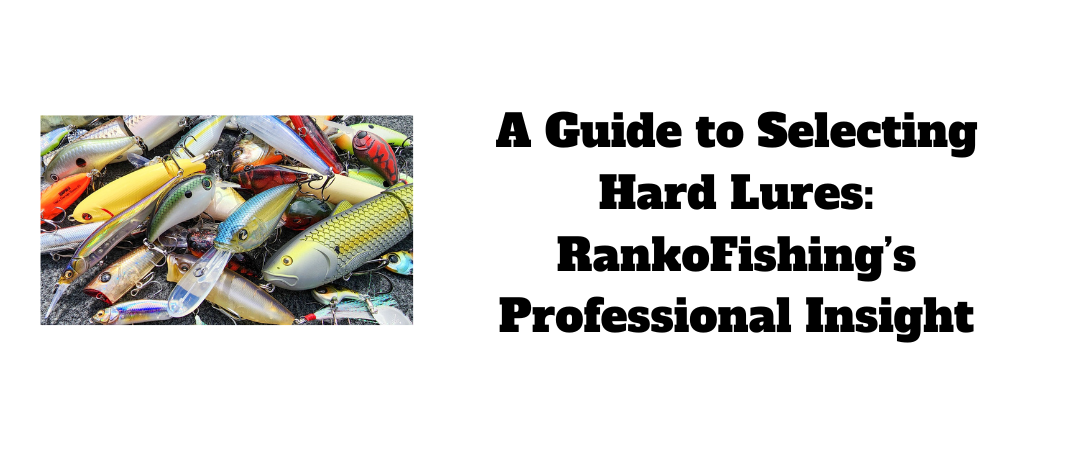
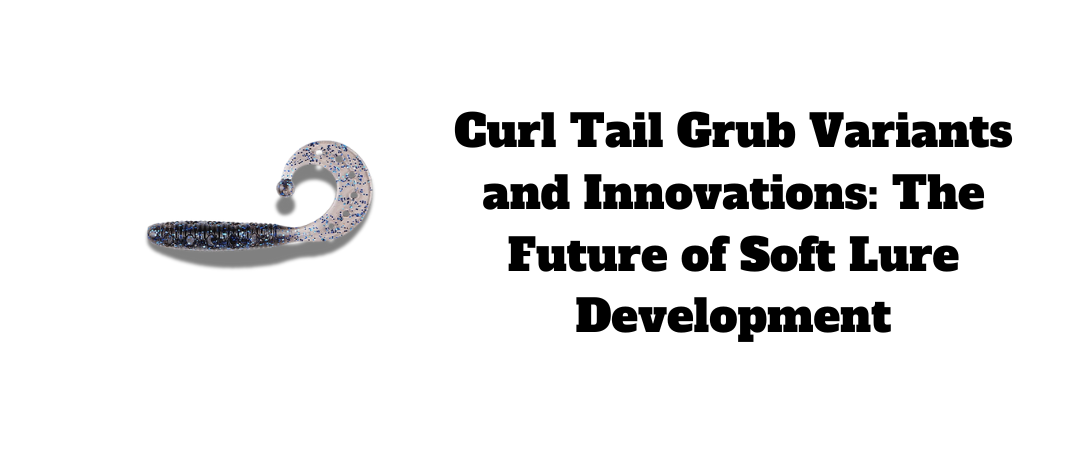
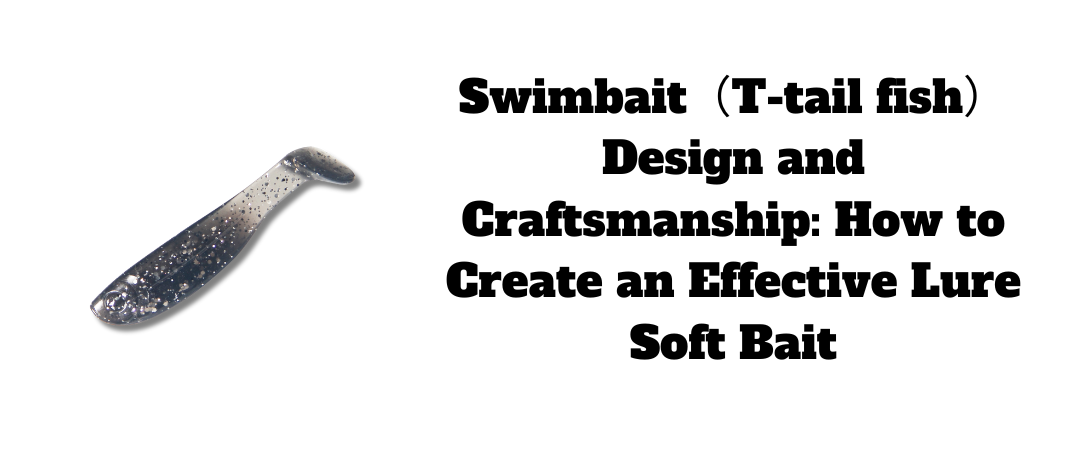
These standards apply to bionic lures made from materials that are non-toxic and environmentally friendly, including both metal and plastic versions. Plastic lures are further categorized into soft plastic and hard plastic variants. The scope also includes definitions for these lures and classification criteria based on material types and design characteristics.
Material Specifications
- Non-toxic Materials: All materials used in the production of artificial lures must be free from harmful substances such as phthalates, heavy metals, and other pollutants.
- Durability: Materials should be resistant to wear and tear caused by frequent use in water, including the effects of fish bites and environmental exposure.
- Surface Quality: The lure’s surface must be smooth, free of cracks, burrs, or visible defects. Paint coatings should be uniform and vibrant, with no obvious imperfections or fading.
- Design Accuracy: The shape and color of the lures should accurately resemble the targeted prey species, mimicking their natural movement to increase fish attraction.
Dimensional and Weight Precision
Lures should conform to the following tolerances to ensure consistency across production batches:
- Length: Deviation should not exceed ±1%.
- Weight: no more than ±3%.
The size and weight deviation of bionic bait should be kept within a certain range to ensure the consistency of the product:
- Length deviation: no more than ±1%;
- Mass deviation: no more than ±3%.
Adhesion Testing: Updated Methodology
To evaluate the adhesion quality of lure coatings, the traditional methods have been replaced by the crosshatch test (1x1mm grid). This internationally recognized method provides a more precise and repeatable way to test coating durability:
- A 1x1mm grid is etched onto the coated surface of the lure.
- 3M adhesive tape is applied and removed three times.
- The coating is considered acceptable if no paint flakes or detaches from the surface.
Corrosion Resistance Testing
Because lures are used in both freshwater and saltwater environments, they must be resistant to corrosion. Lures with metal components and coatings should undergo salt spray testing to simulate prolonged exposure to saltwater. Both metal lures and plastic-coated lures must meet specific corrosion resistance standards to ensure they maintain their integrity and functionality in various aquatic environments.
Structural Integrity Testing
The structural integrity of hooks and attachments is critical for ensuring the safety and reliability of the lure. Pull tests must be conducted to verify that hooks and other connecting components can withstand the forces exerted by predatory fish without breaking or detaching.
Social Benefits and Impact on Industry Development
The adoption of these standards will help establish consistency in the production of artificial fishing lures, ensuring that products meet high-quality standards and consumer expectations. By promoting standardized production practices, the artificial lure industry can foster growth, attract more international investment, and improve its competitiveness in the global market.
Conclusion
As a leading fishing lure manufacturer, RankoFishing supports the creation and implementation of these industry standards for artificial fishing lures. With a commitment to high-quality production, sustainability, and innovation, we strive to meet the evolving needs of the fishing community. By adhering to these standards, we ensure that all of our products not only meet but exceed customer expectations, thereby contributing to the sustainable development of the global fishing lure industry.

 English
  French
  German
  Spanish
  Russian
  Norwegian
  Portuguese
  Arabic