
I. Technical Barriers in Large-Scale Production
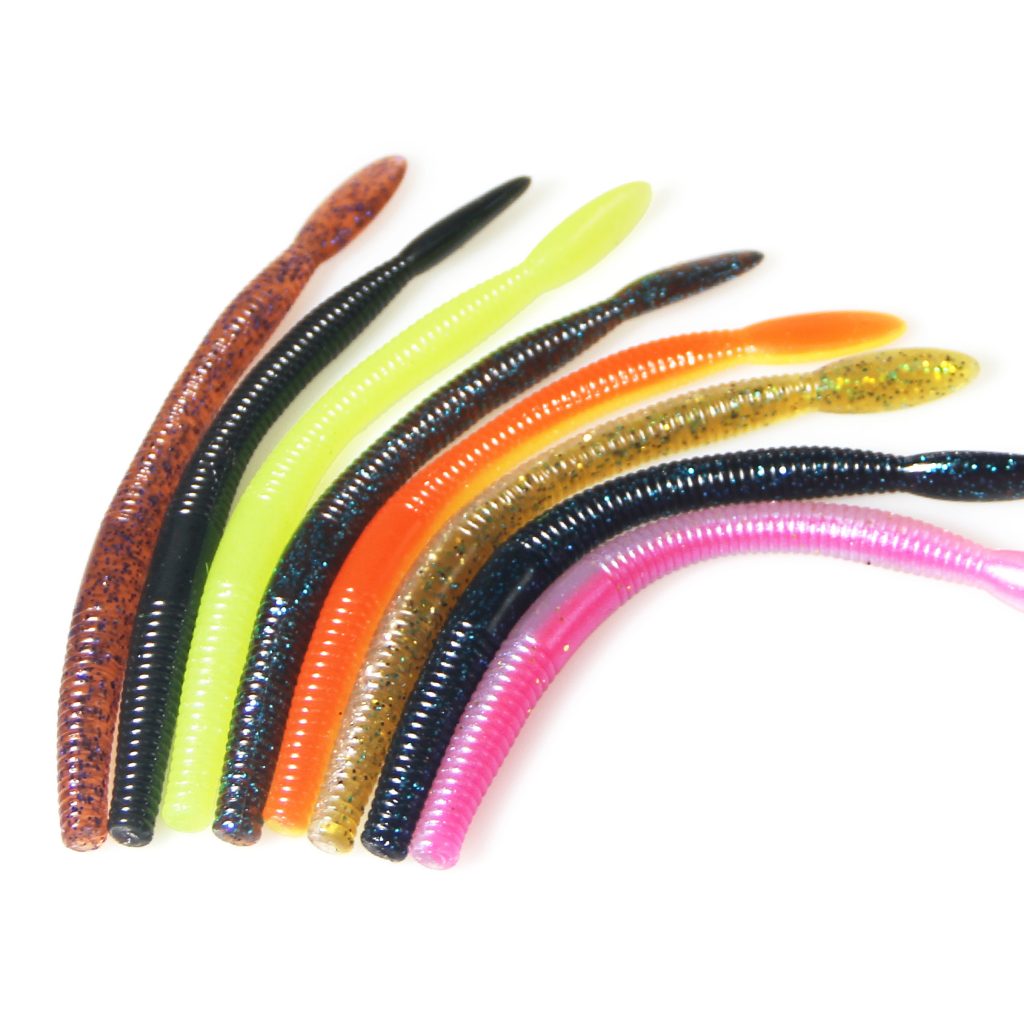
As a professional lure manufacturer, RankoFishing has established a complete flavor substance database (covering over 200 natural/synthetic fragrance profiles) and implemented a QbD (Quality by Design) framework to ensure consistent flavor release curves throughout product lifecycle. Our core technical barriers include:
- Flavor Stability Control: Achieving antioxidation/photodegradation resistance through microencapsulation and nanocarrier technologies
- Batch Consistency: Utilizing an electronic tongue (E-tongue) combined with GC-MS detection system (LOD ≤ 0.1 ppm)
- Environmental Adaptability: Developing temperature/humidity-responsive formulations (ΔE color difference < 2)
II. Core Flavor Production Processes & Quality Assurance
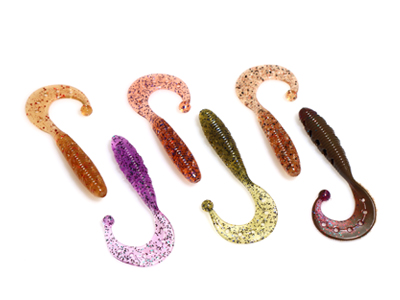
1. Grains Aroma Type (Tailing/Wave Bait)
Production System:
- Raw material control: Non-GMO corn (protein content ≥ 18%) processed via low-temperature drum drying (40℃/6h) to preserve germ activity
- Flavor development: Gradient fermentation process (35℃/72h + 50℃/48h) using α-amylase to generate reducing sugars (≥12%)
- Quality Metrics:Water activity (Aw) ≤ 0.45 (prevents mold)
- Browning degree ΔE ≤ 3 (maintains color purity)
- Storage stability: 40℃ accelerated test (120 days) shows ≤8% flavor attenuation
2. Fishy Aroma Type (Crawling Bait)
Technological Breakthroughs:
- Raw material processing: Supercritical CO₂ extraction (25MPa/45℃) achieving 92% extraction efficiency
- Microencapsulation: Sodium alginate/chitosan composite film (encapsulation rate >85%), gastric protease resistance >90%
- Process Validation:Gel strength ≥350g/cm² (ensures casting morphology)
- In vitro digestion test: 2h release rate <15%
3. Fruity Aroma Type (Pencil Sink Bait)
Innovative Technologies:
- Flavor preservation: Ultrasound-assisted cold pressing (40kHz/15min) achieving 88% juice yield
- Nanocoating: Silica nanoparticles (100-200nm) loaded with ester compounds for 95% water dispersibility
- Quality Standards:Initial volatility at 25℃: ≤18%/h
- Photodegradation resistance: UV-B irradiation (24h) results in <5% flavor loss
4. Milky Aroma Type (Composite Spinner Bait)
Core Technologies:
- Flavor matrix: Whey protein hydrolysate (molecular weight <3000Da) + defatted milk powder particles (50-100μm)
- Encapsulation system: Lecithin/maltodextrin composite film (encapsulation rate >80%)
- Process Parameters:Nano-spray drying: Inlet temperature 180℃/outlet temperature 80℃
- Antioxidant treatment: 0.5% vitamin E palmitate addition
- Quality Indicators:Whey protein denaturation rate <5%
- Shelf life flavor attenuation: 25℃/6 months <12%
5. Alcoholic Aroma Type (Frog Skin Mimic Bait)
Processing Features:
- Flavor source: Milled rice wine distillate ( Containing 4-ethylguaiacol) purified via activated carbon
- Molding technology: Low-temperature freeze-drying (-40℃/vacuum pressure 50Pa) preserving volatile components
- Quality Control:Residual alcohol content <0.5% (meets food contact material standards)
- Skin elasticity modulus: 25-30N/mm² (ensures casting rebound rate >85%)
6. Composite Aroma Type (Competitive Fishing Bait)
Formulation Design:
- Multidimensional flavor combination: Grains (30%) + Fishy (40%) + Fruity (30%)
- Dynamic release system: Dual-phase microencapsulation (sustained/rapid release)
- Production Advantages:Cross-compatibility with multiple freshwater species
- Customizable VOC content (10-35%)
III. Production Quality Control Key Points
1. Raw Material Standardization
| Process Step | Parameter Control | Equipment Configuration |
| Crushing/Sieving | Particle size 80-120 mesh | 3D vibratory sieve |
| Moisture Control | Moisture content ≤3% | Freeze-drying system |
| Microbial Control | Total plate count <10 CFU/g | UHT sterilization (135℃/4s) |
2. Flavor Blending Digitalization
- Electronic tongue analysis (detection limit 0.1ppm)
- PCA-based flavor spatial distribution visualization
- Formula adjustment criteria: ΔE color difference <2 (batch consistency)
3. Molding Process Parameters
- Wave/Tail Bait: Injection molding (85±5℃ temperature profile)
- Pencil Sink Bait: Vacuum roll forming (80℃/15min) + UV curing (365nm wavelength)
- Composite Spinner Bait: Gradient spraying (primer/coating interval 30s)
IV. Technical Support System for Buyers
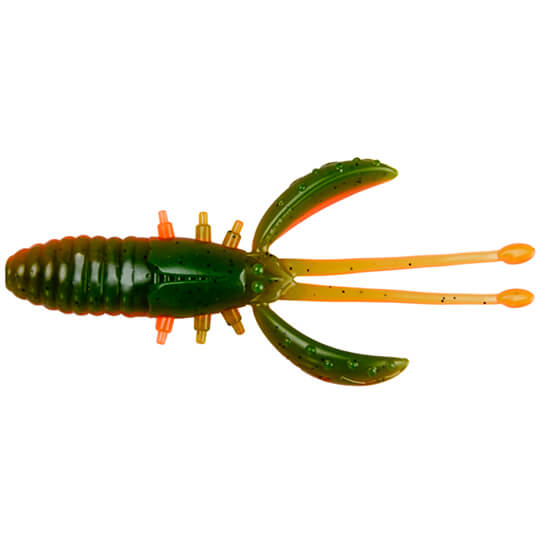
1. Customized Service Solutions
- Flavor development: Targeted OR geneomics-based formulations (e.g., OR11-4 gene optimization for Perch)
- Stability enhancement: Climate-specific storage solutions (temperature/humidity parameters)
- Compliance support: Adherence to EU EC 183/2005 food additive standards
2. Large-Scale Production Assurance
- Equipment capacity: Fully automated production line (2 million units/month)
- Supply chain management: Strategic partnerships with top 5 global raw material suppliers
- Certification system: ISO22000/HACCP compliance
V. Key Technologies for Flavor Longevity
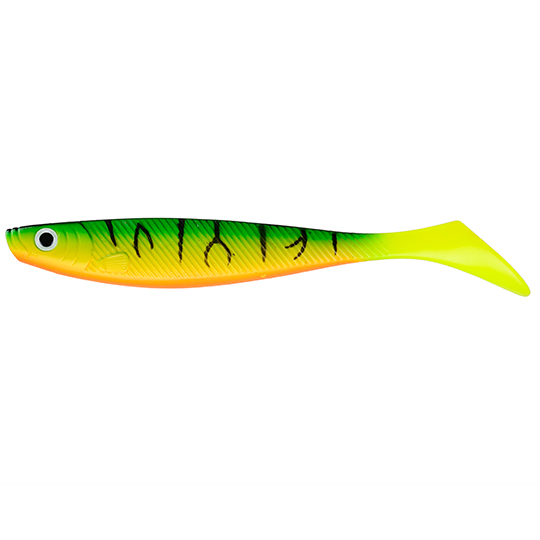
1. Antioxidation Technology Matrix
| Technology | Mechanism | Efficacy Improvement (%) |
| Vitamin E microencapsulation | Radical scavenging | +35 |
| Silicon dioxide nanocoating | Oxygen physical barrier | +40 |
| Zinc ion modification | Catalytic oxidation inhibition | +28 |
2. Microbial Barrier Construction
- Lactococcus lactis nisin gradient spraying (concentration 0.5-2mg/cm²)
- Chitosan/nano-silver composite film (bactericidal rate >99.9%)
VI. Industry Case Studies
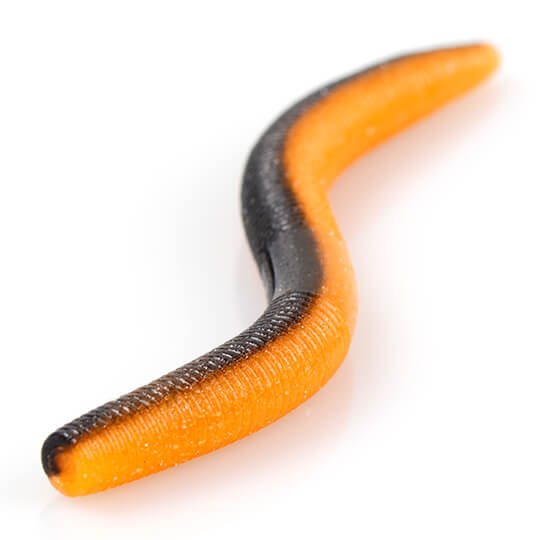
Case 1: European Perch Lure Project
- Technical Challenge: Flavor release at 4-8℃ water temperature
- Solution:β-cyclodextrin encapsulation of citrus essential oils (encapsulation rate 82%)
- Gradient drying process (30℃/6h + 50℃/4h)
- Market Feedback: Shelf life extended to 18 months, customer repurchase rate increased by 40%
Case 2: Southeast Asian Marine Lure Customization
- Core Requirement: Stability in high-salinity environment (32‰)
- Breakthrough:Alginate/karaychin composite gel matrix
- Flavor polarity adjustment (ClogP value 2-4 range)
- Test Data:Salt tolerance: NaCl concentration up to 35‰ maintains structural integrity
- Flavor release: 24h volatile retention >75%
Case 3: American Black Bass Lure Development
- Technical Pain Point: Multi-species compatibility in complex waters
- Innovation:Quadruple flavor matrix (grains/fruits/fishy/alcoholic)
- Reactive color-changing ink (visible damage indicators)
- Market Performance: 2023 North American market share increased by 12%
Summary
This document outlines RankoFishing’s cutting-edge industrial solutions for lure fishing bait production, emphasizing our technical superiority in flavor formulation and quality control. By leveraging QbD principles, advanced encapsulation technologies, and genome-guided flavor development, we deliver consistent, high-performance baits tailored to global markets. Our scalable manufacturing processes, combined with rigorous testing protocols (including GC-MS analysis and accelerated shelf-life studies), ensure products meet the demands of professional anglers and commercial buyers. From odorant stability in extreme environments to compliance with international standards like HACCP, RankoFishing is committed to delivering innovative, reliable solutions for every aquatic scenario.
FAQs
1. Which lure types are best suited for specific fish species?
- For Predatory Fish (Perch, Pike):
- Opt for fishy-aromatic baits(e.g., Crawling Bait with Shrimp Oil microcapsules) that mimic prey distress signals. For Bottom Feeders (Carps, Catfish):
- Use grain-based lures(Tailing Bait with Fermented Corn Extract) to trigger their natural foraging behavior. For Surface Fishing (Trout, Bass):
Choose fruity-vibrant lures (Pencil Sink Bait with Lemon Oleoresin) that create attractive water disturbances. 2. How do I adapt lures to different water conditions?
- Clear Water: Use sustained-release scents (e.g., Milk Aroma Spinner Bait) to avoid overstimulating fish.
- Muddy Water: Prioritize high-contrast visual features (Red Tailing Bait) paired with intense gamey scent boosters (e.g., Crawling Bait with Crab Oil microcapsules) to cut through turbidity.
- Saltwater: Select salinity-resistant formulas (Marine Lure Series) with alginate-based coatings for durability.
3. What is the minimum order quantity for customization?
- OEM Services: Minimum MOQ of 5,000 units to ensure cost-effectiveness through economies of scale.
- Prototype Development: Smaller batches (500 units) are available for concept testing at a premium rate.
4. Can you guarantee fragrance consistency across different production batches?
- Our QbD frameworkensures:Flavor profiles validated via GC-MS (detection limit 0.1ppm)
- Colorimetric consistency (ΔE <2) using digital imaging analysis
- Batch-to-batch release rate variation <5%
5. Are your products compliant with international fishing regulations?
- Food Safety: Certified under ISO22000/HACCP and free from harmful substances like BPA.
- Environmental Sustainability: 70% of our raw materials are bio-based, and packaging uses recyclable PET.
- Regional Compliance: Meet EU EFSA standards, US FDA regulations, and Japanese JIS specifications.
 English
  French
  German
  Spanish
  Russian
  Norwegian
  Portuguese
  Arabic