
1.Introduction
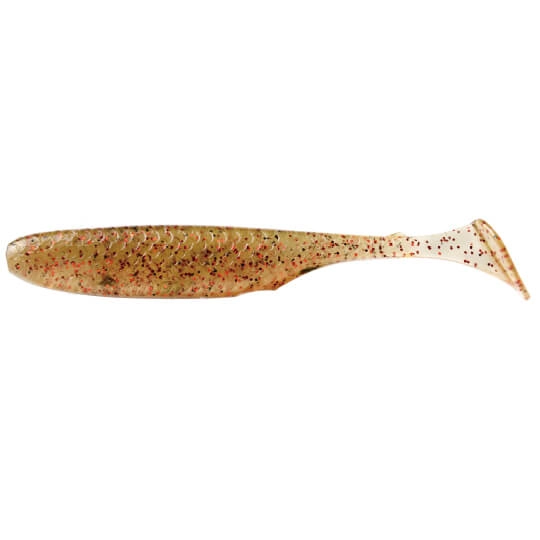
The Swimbait (T-tail fish) is a classic soft bait in lure fishing, admired worldwide for its lifelike appearance and dynamic swimming action. Whether imitating a small fish with its T-tail design or utilizing various retrieval techniques, the Swimbait excels in diverse fishing environments. This article delves into the characteristics, applications, retrieval techniques, and future development trends of the Swimbait, helping anglers make the most of this dynamic bait.
In recent years, the global lure fishing market has seen a surge in demand for soft baits, particularly for swimbaits. With advancements in materials and manufacturing processes, more anglers are turning to swimbaits for their versatility and effectiveness, making them a key component in professional and recreational fishing alike.
2. Definition and History of Swimbait
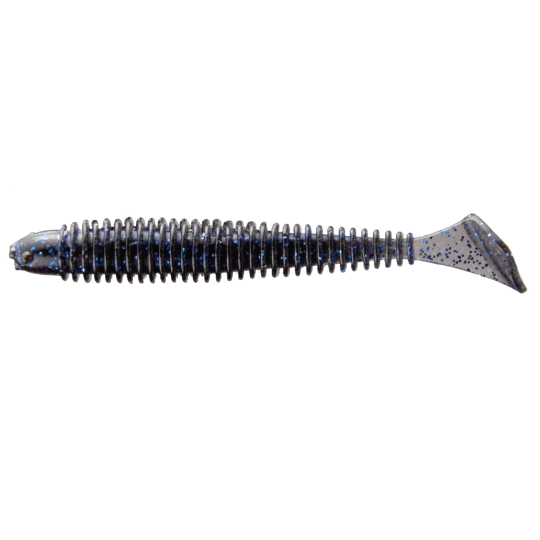
The Swimbait is a soft lure designed to imitate small fish, with a T-shaped tail that produces a natural swimming motion when retrieved. Its design is inspired by the small baitfish found in nature, aiming to attract predatory fish through realistic movement and appearance.
The history of the Swimbait dates back to the late 20th century when anglers began using soft plastic materials to create lures. As injection molding technology advanced, the Swimbait gradually became a mainstream soft bait in lure fishing. Today, Swimbaits not only feature more realistic shapes and actions but also continue to innovate in materials, colors, and functionality.
The rise in popularity of swimbaits is closely tied to the increasing demand for more lifelike bait presentations. As anglers’ preferences evolve, they seek lures that mimic natural movements and adjust to various water types and fish species.
3. Characteristics of Swimbait
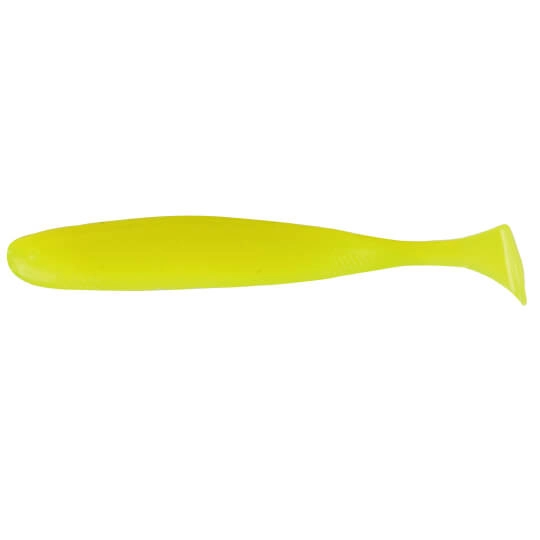
The Swimbait has become a classic soft bait in lure fishing due to its unique design and exceptional performance. Below, we will detail its characteristics across four key aspects: material & craftsmanship, tail design, coating technology, and action performance.
3.1 Material & Craftsmanship
The materials and manufacturing process directly affect the durability and action performance of the Swimbait.
- Materials:
- Soft Plastic: The Swimbait is primarily made from soft plastic, which is flexible and elastic, allowing it to mimic the natural swimming action of small fish. Soft plastic is also durable, able to withstand repeated bites and casts.
- Fish Attractants: High-end Swimbaits may incorporate fish attractants, such as amino acids or salt, into the soft plastic to increase their appeal. This feature is particularly useful when fish activity is low.
- Innovative Materials: Advances in material technology, such as the use of biodegradable plastics and eco-friendly coatings, are increasingly becoming standard in high-quality swimbaits. This is a key trend in the fishing industry, driven by rising environmental concerns.
- Manufacturing Process:
- Injection Molding: Swimbaits are typically made through injection molding, where soft plastic is injected into molds at high temperatures and cooled to form the bait. This process allows for intricate detail design, such as realistic textures and the T-tail.
- Hand-Carved: Some premium Swimbaits are hand-carved and polished, offering a more natural feel and appeal for anglers seeking highly realistic imitations. This customization adds a unique personal touch to the design.
3.2 Tail Design
The tail design is the Swimbait’s core feature and directly impacts its swimming action.
- T-Tail: The T-shaped tail is designed to create a natural swimming motion during retrieval, mimicking small fish in the water. The amplitude and length of the tail are carefully calculated to ensure realistic and stable motion.
- Tail Length: Different tail lengths produce varying swimming amplitudes. Shorter tails offer tighter movements, suitable for finesse fishing, while longer tails create more exaggerated actions, ideal for active fish species.
3.3 Coating Technology
The coating affects not only the Swimbait’s appearance but also its visibility and attractiveness in the water.
- Multilayer Spraying: The surface of Swimbaits typically uses multilayer spraying technology, creating realistic fish scale patterns and reflective effects. Each layer is precisely controlled to ensure even color and durability.
- Heat Transfer Printing: Some high-end Swimbaits feature heat transfer printing, adding intricate details like fish eyes and fins, enhancing realism.
- Fluorescent Coating: To improve visibility in murky water, some Swimbaits feature fluorescent coatings, which are especially effective in low-light or nighttime fishing conditions.
3.4 Action Performance
The action performance of the Swimbait is essential for attracting fish.
- Natural Swimming: The T-shaped tail generates a natural swimming motion during retrieval, imitating small fish in the water. This action is highly effective in attracting predatory fish such as bass, pike, and seabass.
- Versatile Action: By varying retrieval speed and techniques, the Swimbait can perform a wide range of actions. For example, a steady retrieve creates smooth, fish-like swimming, while a twitch-pause technique mimics an escaping fish, ideal for active species.
4. Applications of Swimbait
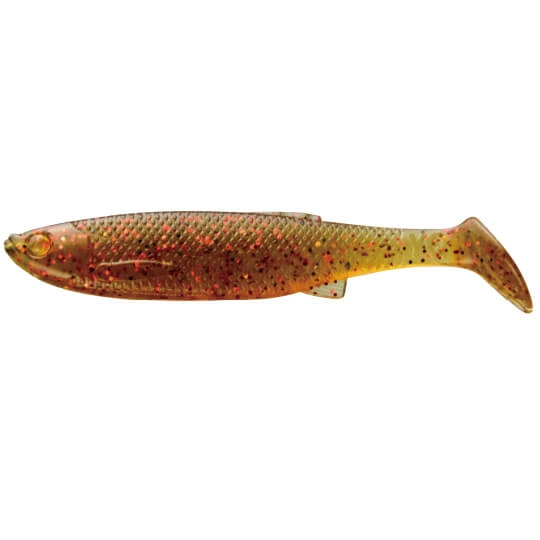
The Swimbait is suitable for various fishing environments and target fish species:
4.1 Suitable Water Types
- Freshwater: Lakes, rivers, reservoirs.
- Saltwater: Nearshore, estuaries.
4.2 Target Fish Species
- Bass: The natural swimming action of the Swimbait effectively attracts bass.
- Pike: The exaggerated movement of the Swimbait is ideal for active pike.
- Seabass: Swimbaits perform exceptionally well in saltwater environments for seabass.
5. Swimbait Retrieval Techniques
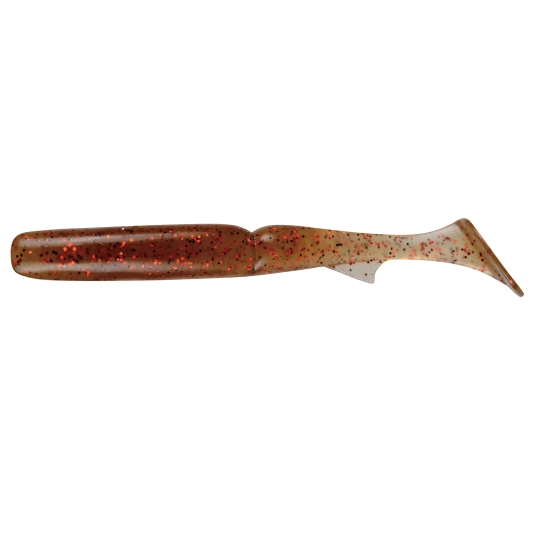
The effectiveness of the Swimbait depends on the retrieval techniques used:
5.1 Steady Retrieve
- Method: Retrieve at a consistent speed to mimic the natural swimming motion of small fish.
- Suitable Scenarios: Ideal when fish are highly active.
5.2 Twitch-and-Pause
- Method: Add jerks and pauses during retrieval to create a more varied action.
- Suitable Scenarios: Ideal for cautious fish, such as bass during colder months.
5.3 Bottom Hopping
- Method: Allow the Swimbait to hop along the bottom, mimicking an injured fish.
- Suitable Scenarios: Best for areas with complex underwater structures.
6. Tackle Pairing for Swimbait
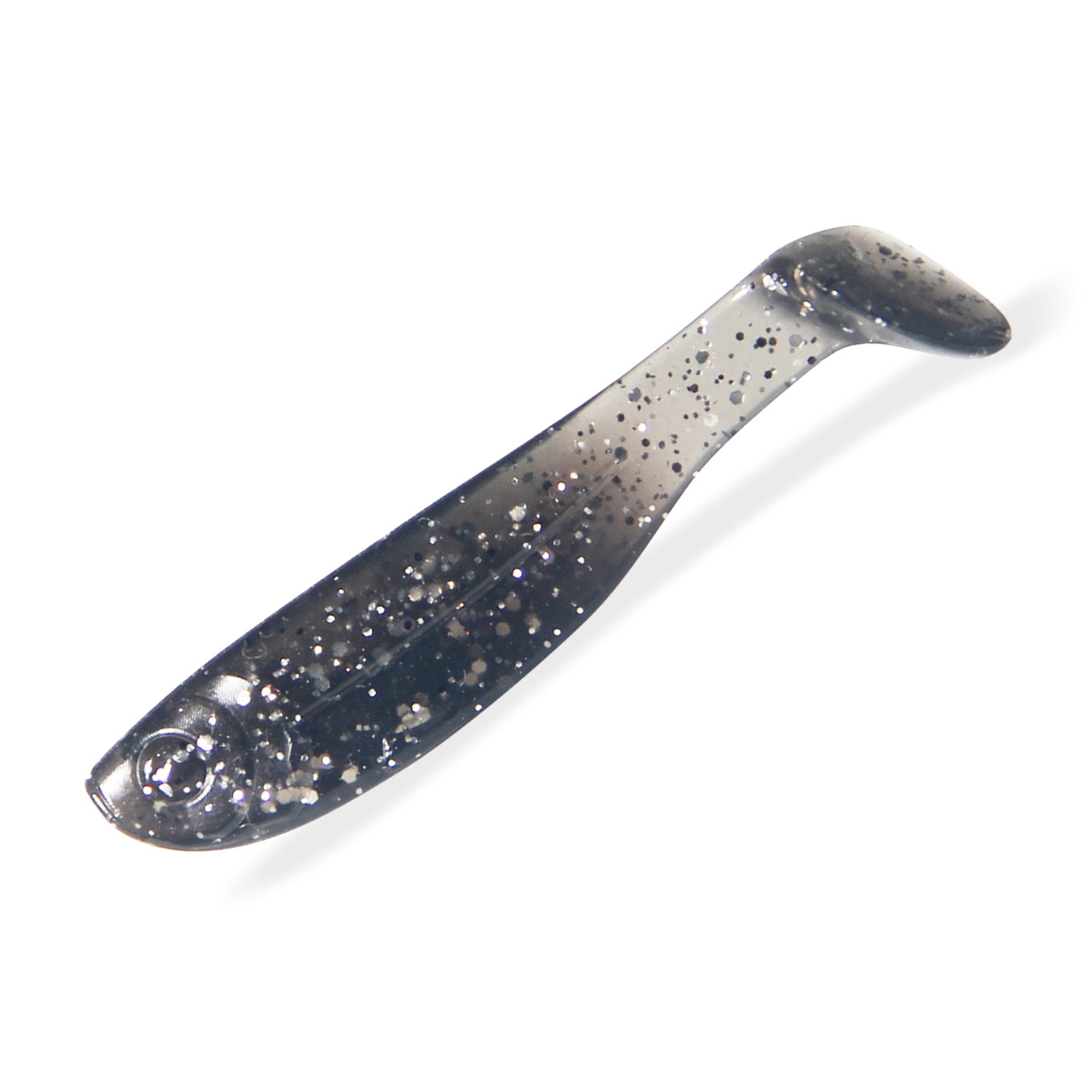
Using the right tackle ensures optimal performance for the Swimbait:
6.1 Rod
- Recommendation: Medium-fast (MF) action rod for fast, responsive action.
6.2 Line
- Recommendation: PE line to increase casting distance.
6.3 Hook
- Recommendation: Jighead hooks or Carolina rig-specific hooks.
7. Color Selection for Swimbait

Choosing the right color is key to successful fishing with the Swimbait:
7.1 Clear Water
- Recommended Colors: Natural colors like silver, white, or transparent.
7.2 Murky Water
- Recommended Colors: Bright colors like red, orange, or fluorescent yellow.
7.3 Night Fishing
- Recommended Colors: Dark colors like black or dark blue.
8. Swimbait Maintenance Tips
Proper maintenance extends the lifespan and performance of the Swimbait:
8.1 Cleaning
- Method: Rinse with fresh water after use to remove salt and debris.
8.2 Storage
- Method: Store in sealed bags to prevent deformation due to heat.
8.3 Hook Inspection
- Method: Regularly check the hooks for sharpness, sharpening or replacing them as needed.
9. Future Trends in Swimbait Design
The future of Swimbait design is heading toward more intelligent and versatile options:
9.1 Smart Design
- Features: Integrated sensors or chips that simulate more complex movements.
- Advantages: Increases realism, attracting a wider range of fish.
9.2 Modular Design
- Features: Anglers can swap out different tail or body parts for a more versatile fishing experience.
- Advantages: Increases flexibility and reduces fishing costs.
9.3 Eco-Friendly Materials
- Features: Using biodegradable materials in the production of soft baits.
- Advantages: Contributes to sustainable fishing practices, appealing to environmentally-conscious anglers.
10. Conclusion
As a classic soft bait in lure fishing, the Swimbait continues to evolve in design and functionality. With advancements in smart, modular, and eco-friendly designs, the Swimbait will become even more versatile, meeting the personalized needs of anglers. At RankoFishing, we are committed to developing high-quality Swimbaits that help anglers achieve success with every cast.
Choose RankoFishing for professional-grade lures and exceptional quality, and enhance your fishing experience!
 English
  French
  German
  Spanish
  Russian
  Norwegian
  Portuguese
  Arabic